How we vet every listing
Ethical Guidelines Checklist
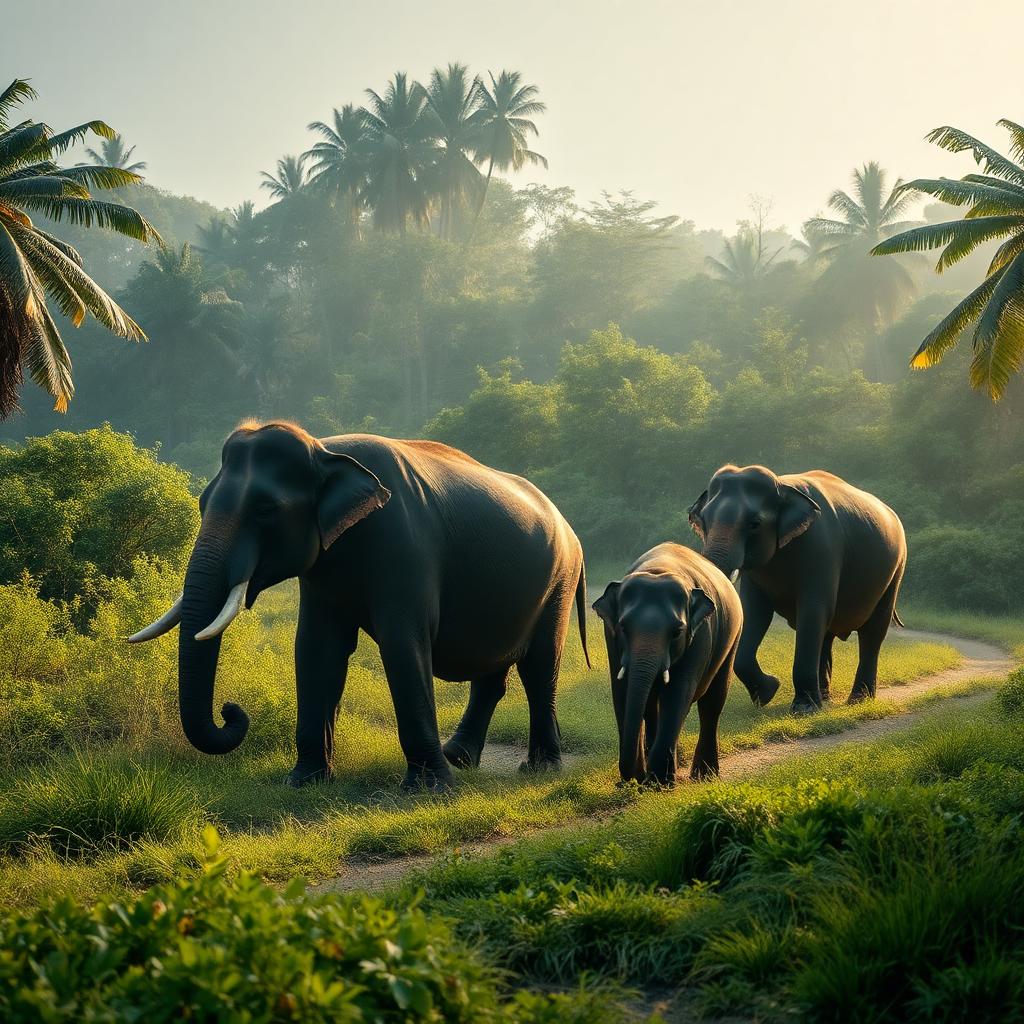
These four rule-out factors are non-negotiable. A venue that fails any one of them does not belong in an ethical wildlife directory, regardless of how it is marketed.
Strict rule-out factors
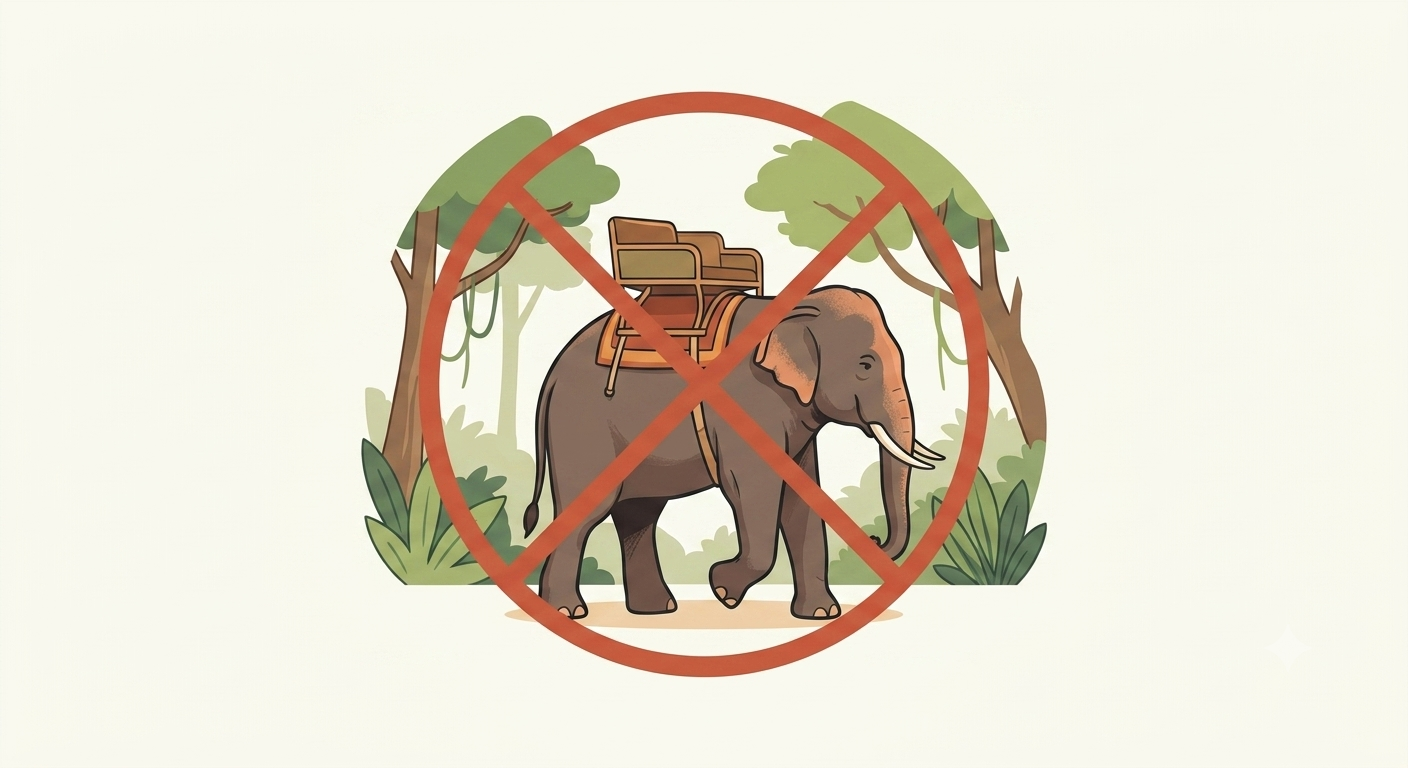
No Riding
Elephants' spines are not built to carry humans. Trekking chairs cause chronic injury, spinal damage, and lifelong pain.
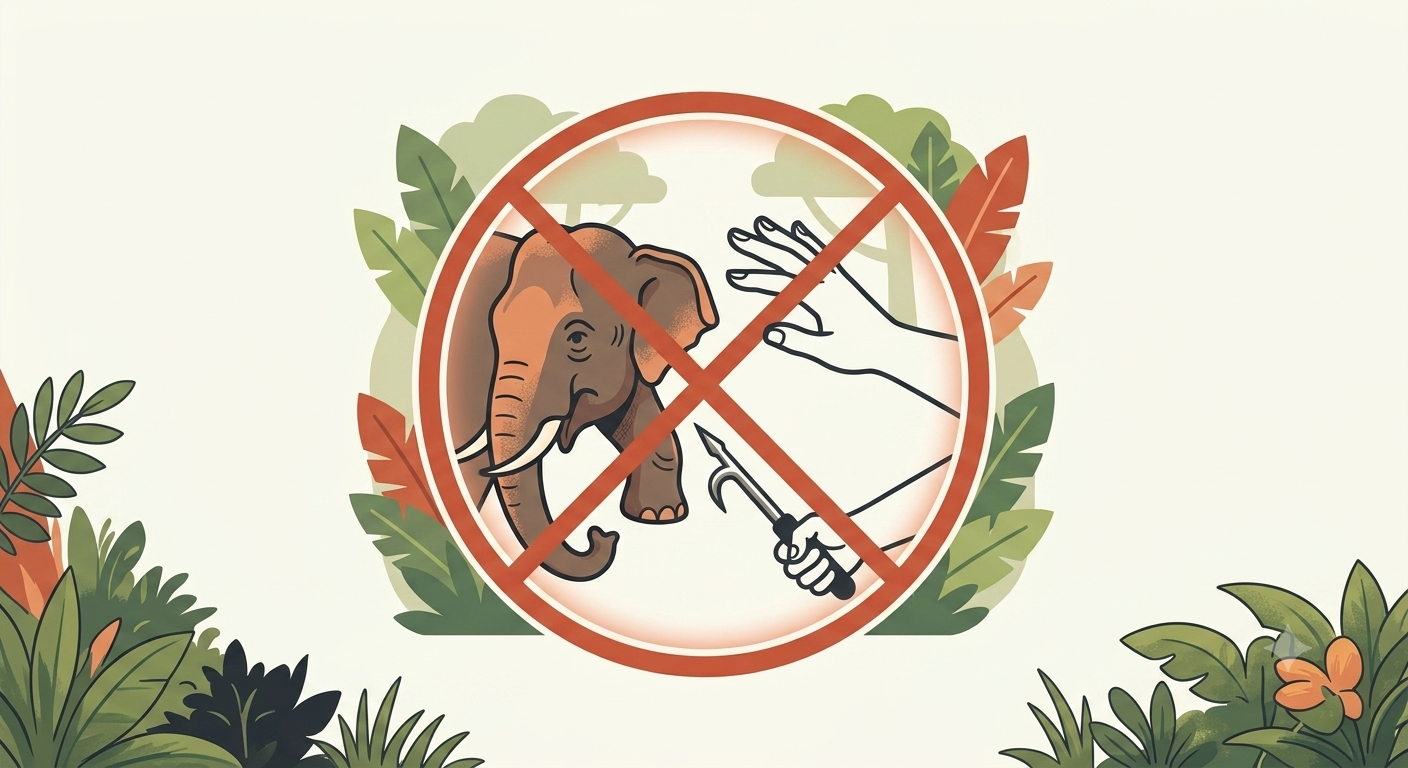
No Hooks (Bullhooks)
The bullhook is a sharpened metal weapon used to intimidate and inflict pain. Ethical venues train and manage through positive reinforcement instead.
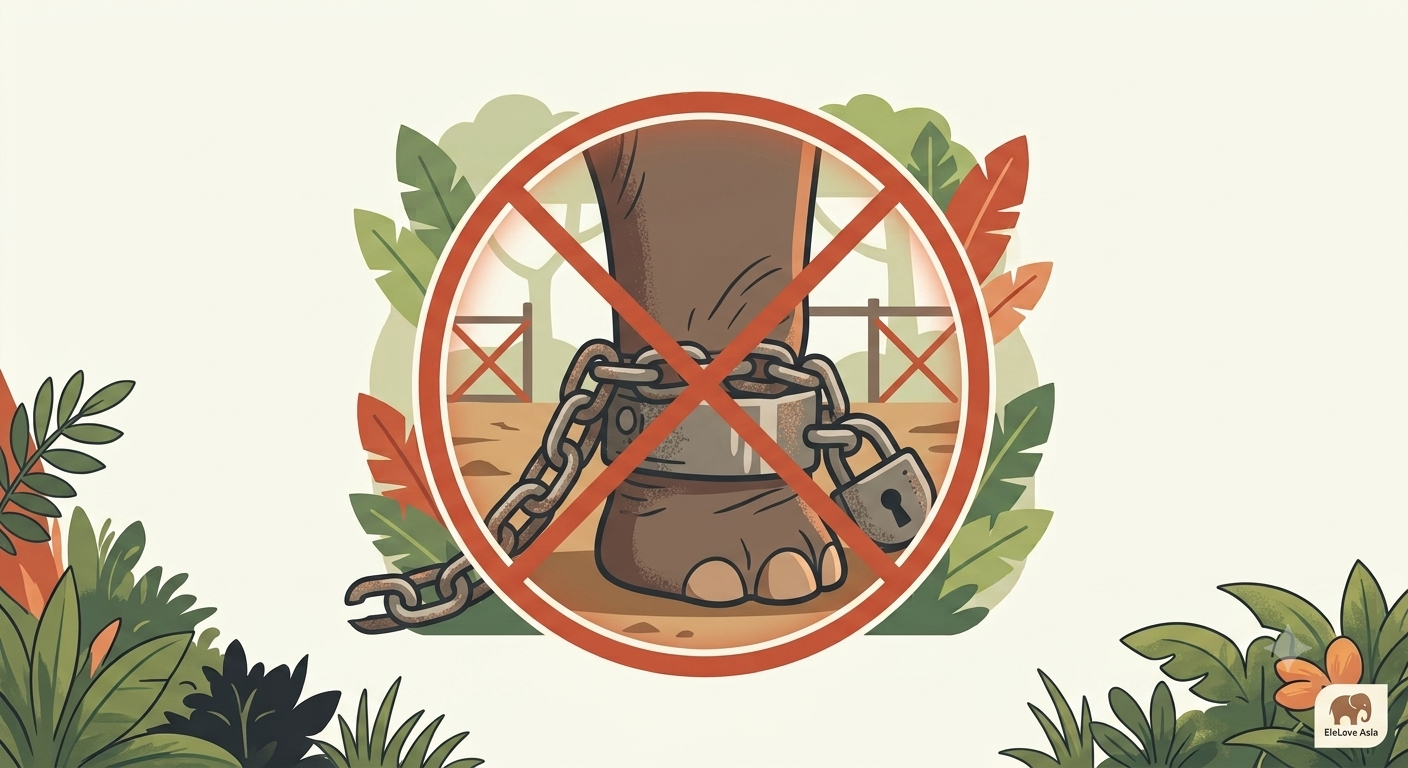
No Chains
Long-term chaining prevents natural movement, foraging and social bonding. Ethical sanctuaries provide large enclosures and free roaming.
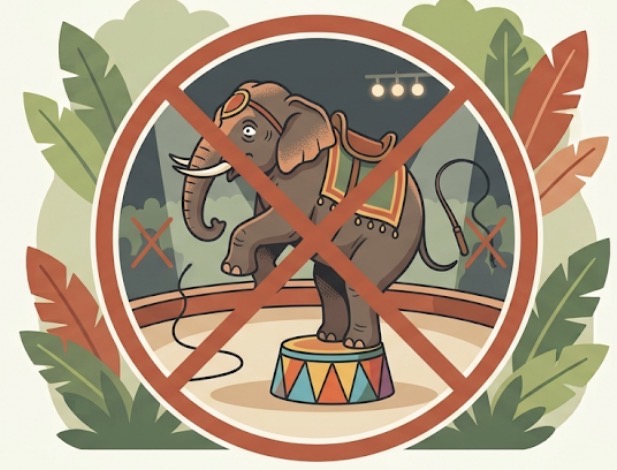
No Shows
Painting, dancing, football and circus-style tricks are learned through fear and coercion. They exist for tourists, not for elephants.
Green flags to look for
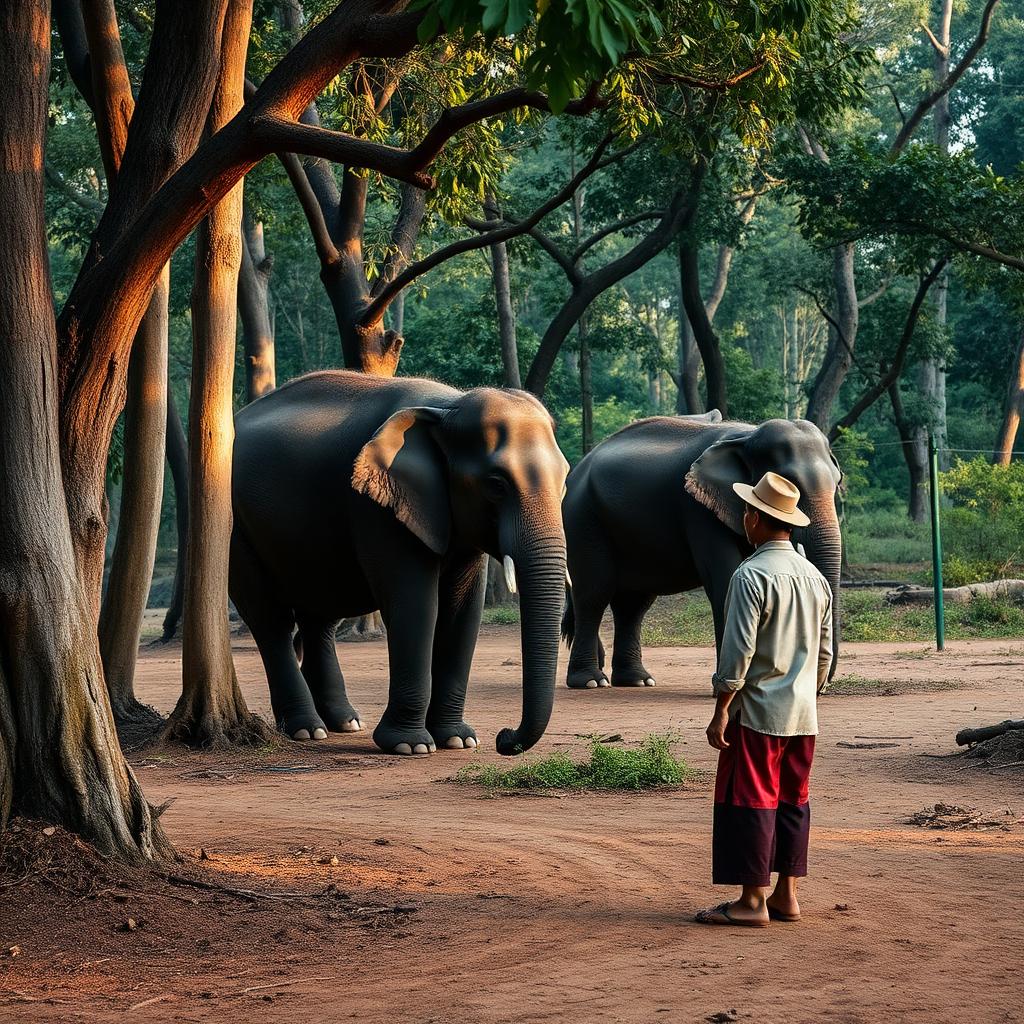
- Elephants are free to roam in natural habitat
- Interaction is limited to respectful observation and feeding
- Mahouts use voice cues and positive reinforcement
- Rescued, retired or wild-tracked elephants — never bred for tourism
- Transparent about welfare, funding and conservation impact
Inclusion in this directory is not a certification. Please verify current practices with each venue before booking, and report any concerns.